
Why Extreme Diets Are Losing Popularity
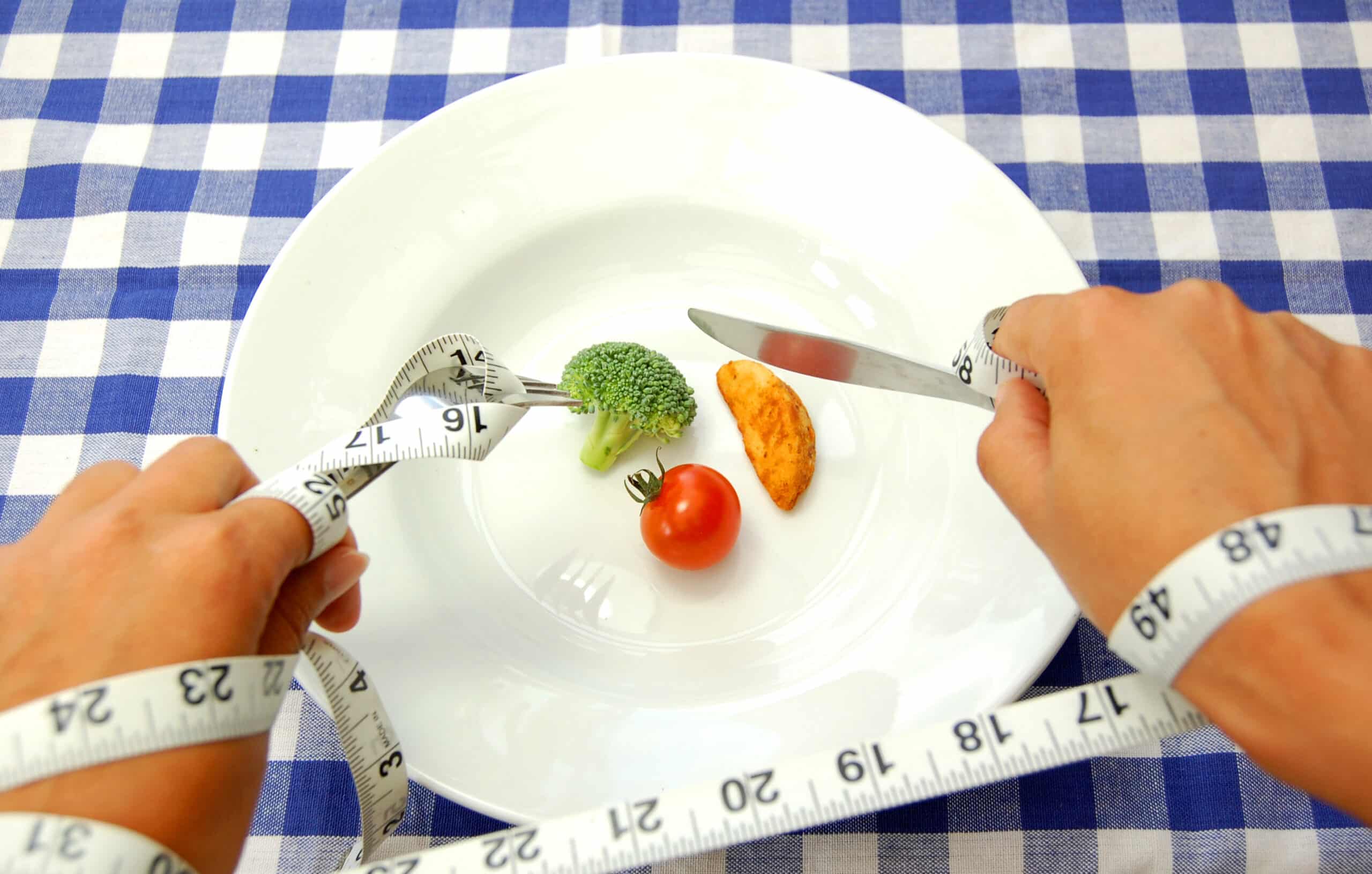
In recent years, extreme diets promising rapid results have dominated headlines and social media feeds. From ultra-low-calorie plans to highly restrictive “detox” trends, these approaches promised quick transformation. But in 2026, a shift is underway: audiences and influencers alike are moving toward sustainable, balanced health habits that prioritize consistency, well-being, and long-term results over dramatic short-term fixes.
The decline of extreme diets reflects a growing understanding of health as a holistic, lifelong practice rather than a short-term challenge. Highly restrictive plans may deliver quick weight changes, but they often come at the cost of energy, mood, and metabolic stability. People are increasingly prioritizing approaches that support daily life — meals that fuel focus, balanced nutrition that sustains energy, and habits that are realistically maintainable.
This trend also reflects a cultural pivot toward intention over restriction. Instead of eliminating entire food groups or adhering to rigid rules, individuals are now focused on mindful choices. Protein-forward meals, balanced macros, and functional nutrition have replaced the all-or-nothing mindset. The goal is performance, wellness, and longevity rather than immediate transformation.
Social media and wellness culture have played a significant role in this change. Influencers and experts are emphasizing “healthful normalcy” — showing real, repeatable meals and routines rather than highly curated, extreme approaches. Audiences respond to content that feels achievable and relatable. A midweek meal of balanced proteins, vegetables, and grains resonates more than a viral, restrictive challenge that’s impossible to maintain.
Mental health is another driver. Extreme diets often increase stress and guilt around eating, which can harm long-term adherence and overall well-being. Sustainable approaches, by contrast, reduce anxiety by emphasizing moderation, flexibility, and consistency. They acknowledge that health is about progress, not perfection.
The shift away from extremes also aligns with broader lifestyle trends. People are recognizing that energy management, recovery, and sustainable habits matter more than short bursts of intense effort. Meals, workouts, and routines are being chosen for their ability to support overall life performance, rather than simply achieve visual results.
Interestingly, this evolution is mirrored in celebrity culture. Stars increasingly showcase balanced routines, functional meals, and long-term wellness practices rather than strict, extreme diets. Their influence helps normalize sustainable approaches, showing audiences that health is a process — not a spectacle.
Ultimately, the move away from extreme diets is about valuing consistency, functionality, and real-life sustainability. Quick fixes may promise immediate results, but they rarely deliver lasting benefits. Today, the focus is on approaches that integrate with everyday life, building habits that endure and create meaningful change.
In 2026, health culture is no longer about extremes — it’s about steady, intentional progress that supports both body and mind.

Leave a Comment