
Why Stress Is Showing Up Physically

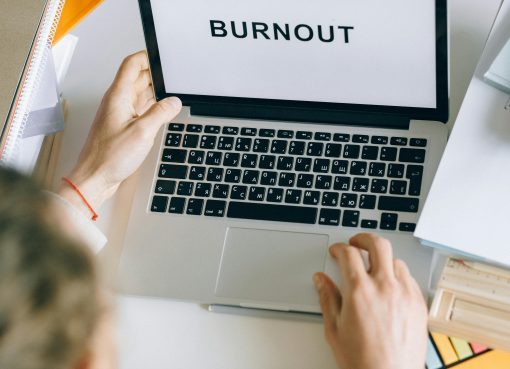
In 2026, stress is no longer just described as a mental or emotional experience—it is increasingly recognized as something that manifests physically. Across wellness conversations, burnout is being closely linked to changes in sleep quality, weight regulation, and skin health, making the body one of the clearest indicators of chronic pressure.
This shift reflects a growing understanding that the mind and body are not separate systems. When stress becomes prolonged, it doesn’t remain abstract—it influences hormonal balance, energy regulation, and recovery cycles, which can show up in visible and measurable ways.
One of the most common effects is disrupted sleep. Stress can interfere with the body’s ability to fully relax, leading to difficulty falling asleep, lighter sleep cycles, or waking up feeling unrested. Over time, this creates a feedback loop where poor sleep increases stress sensitivity, and stress further disrupts sleep quality.
Weight changes are also frequently associated with chronic stress. Some people experience reduced appetite, while others notice increased cravings or shifts in eating patterns. These responses are tied to how the body regulates energy under prolonged pressure, often prioritizing short-term survival responses over long-term balance.
Skin health is another area where stress becomes visible. Breakouts, dullness, or increased sensitivity are often reported during periods of burnout or emotional strain. While skincare routines play a role, underlying stress levels can significantly influence how the skin behaves and recovers.
The connection between stress and physical symptoms is largely driven by how the body responds to sustained pressure. When the system remains in a heightened state for too long, recovery processes become less efficient, affecting everything from rest to digestion to cellular repair.
This is why modern wellness conversations increasingly emphasize recovery, not just productivity. Rest, consistent sleep, balanced nutrition, and reduced overstimulation are now being framed as essential components of maintaining physical stability—not optional lifestyle choices.
There is also a growing awareness that these symptoms are often gradual rather than sudden. Small changes in sleep patterns, energy levels, or physical appearance can accumulate over time, making stress harder to recognize until it becomes more pronounced.
Importantly, this framing is shifting how people interpret their own health. Instead of viewing physical symptoms in isolation, more attention is being given to underlying lifestyle factors such as workload, digital overload, and emotional strain.
Ultimately, “Why Stress Is Showing Up Physically” reflects a broader 2026 wellness reality: stress is not confined to the mind. It is a full-body experience, and the physical signals it produces are becoming one of the most important indicators of overall well-being.
Leave a Comment