
How to Build a Healthy Lifestyle: Simple Exercise Habits and Balanced Eating for Beginners

Introduction
Building a healthy lifestyle is one of the most valuable decisions a person can make, but for beginners, it often feels overwhelming. Many people assume they need intense workout programs, strict diets, or expensive supplements to get started. In reality, a healthy lifestyle is built from simple, consistent habits that can be maintained long-term.
The foundation of good health comes from two main pillars: regular physical activity and balanced nutrition. When these two work together, the body becomes stronger, more energetic, and more resilient.
This guide is designed for beginners who want to improve their lifestyle without stress or confusion. You will learn how to build simple exercise habits, how to eat balanced meals, and how to create a routine that actually lasts.
Why Most People Struggle to Build a Healthy Lifestyle
Before starting, it is important to understand why many beginners fail or give up early.
1. Overcomplicating Fitness
Many beginners think fitness requires advanced gym routines or strict schedules. This creates pressure and leads to burnout.
2. Extreme Dieting
Cutting too many calories or eliminating entire food groups often leads to cravings, fatigue, and inconsistency.
3. Lack of Structure
Without a simple plan, people rely on motivation instead of habits, which makes consistency difficult.
4. Unrealistic Expectations
Many expect fast results in a few days or weeks. When results do not appear quickly, they lose motivation.
5. Ignoring Balance
Focusing only on exercise or only on diet leads to incomplete progress. Both must work together.
The Real Meaning of a Healthy Lifestyle
A healthy lifestyle is not about perfection. It is about balance, sustainability, and consistency.
It includes:
- Moving your body regularly
- Eating nutritious foods
- Staying hydrated
- Getting enough rest
- Managing stress
When these habits are combined, they create long-term health improvements without extreme effort.
Step 1: Simple Exercise Habits for Beginners
Exercise does not need to be complicated. Beginners should focus on building movement into their daily routine.
Beginner-Friendly Exercises
Start with basic, low-impact activities:
- Walking for 20–40 minutes daily
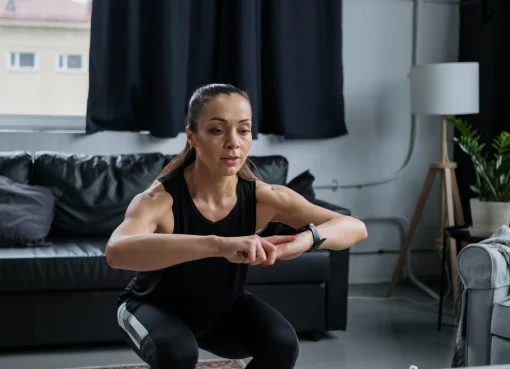
- Bodyweight squats
- Wall or knee push-ups
- Plank holds
- Light stretching
- Cycling or slow jogging
These exercises help improve:
- Heart health
- Muscle strength
- Flexibility
- Energy levels
Simple Weekly Routine
A beginner-friendly structure:
- Monday: Full-body basic workout
- Tuesday: Walking or light cardio
- Wednesday: Rest or stretching
- Thursday: Full-body workout
- Friday: Light cardio
- Saturday: Core and mobility
- Sunday: Rest
This routine is sustainable and prevents burnout.
Step 2: Why Nutrition Is Essential for Beginners
Exercise alone is not enough. Nutrition is what fuels your body and supports recovery.
Your body needs three main macronutrients:
Carbohydrates
Provide energy for daily activity and workouts.
Protein
Helps repair and build muscles after exercise.
Healthy Fats
Support hormones, brain function, and long-term energy.
A balanced intake of these nutrients ensures that your body performs well and recovers properly.
Step 3: Building a Balanced Eating Pattern
You do not need a strict diet plan. Instead, focus on balance and variety.
The Balanced Plate Method
A simple guide for beginners:
- 50% vegetables and fruits
- 25% protein
- 25% complex carbohydrates
Examples of Healthy Foods
Protein:
- Eggs
- Chicken
- Fish
- Tofu
- Beans
Carbohydrates:
- Rice
- Oats
- Sweet potatoes
- Whole grains
Healthy fats:
- Avocados
- Olive oil
- Seeds
- Nuts
Step 4: Smart Snacking for Energy and Consistency
Snacking is often misunderstood. Many people believe snacks are unhealthy, but in reality, smart snacks help maintain energy and prevent overeating.
Instead of processed sugary foods, beginners should choose natural, nutrient-dense options.
Healthy Snack Example: Nuts for Energy and Fitness
Nuts are one of the best beginner-friendly snacks because they are rich in:
- Healthy fats
- Protein
- Fiber
- Essential minerals
They help keep you full longer and provide steady energy throughout the day.
You can explore a variety of natural nut-based options here:
These types of snacks are especially useful for beginners who:
- Need quick energy between meals
- Want healthier alternatives to junk food
- Are trying to improve workout performance
- Need portable, easy nutrition options
Adding small, healthy snacks into your daily routine helps prevent cravings and supports long-term consistency.

Step 5: Pre-Workout and Post-Workout Nutrition
Eating around your workout improves performance and recovery.
Pre-Workout Foods
Eat 1–2 hours before exercise:
- Banana
- Oatmeal
- Light rice meal
- Nuts or fruit snacks
This provides energy and improves endurance.
Post-Workout Foods
After exercise, your body needs recovery nutrients:
- Protein (eggs, chicken, fish)
- Carbohydrates (rice, sweet potatoes)
- Fruits for vitamins
This helps rebuild muscles and restore energy.
Step 6: Common Beginner Mistakes to Avoid
Avoiding mistakes helps you progress faster.
Mistake 1: Doing Too Much Too Soon
Leads to burnout and injury.
Mistake 2: Skipping Meals
Causes low energy and overeating later.
Mistake 3: Extreme Dieting
Slows metabolism and reduces performance.
Mistake 4: Ignoring Healthy Fats
Fats are essential for hormones and brain health.
Mistake 5: Relying on Motivation Alone
Consistency should come from routine, not feelings.
Step 7: Hydration, Sleep, and Recovery
Fitness is not only about exercise and food. Recovery is equally important.
Hydration
Water supports:
- Energy production
- Muscle function
- Digestion
- Fat metabolism
Sleep
Aim for 7–9 hours of sleep per night to support:
- Muscle repair
- Mental focus
- Hormonal balance
Recovery
Rest days are essential for preventing injury and improving performance.
Step 8: How to Stay Consistent as a Beginner
Consistency is the most important factor in building a healthy lifestyle.
Practical Tips
- Start small and gradually increase intensity
- Track your progress weekly
- Focus on building habits, not quick results
- Set realistic goals
- Avoid comparing yourself to others
Even small daily actions lead to big long-term results.
Step 9: How Exercise and Nutrition Work Together
Exercise and nutrition are deeply connected.
When combined properly, they help you:
- Burn fat more efficiently
- Build lean muscle
- Increase energy levels
- Improve mental clarity
- Strengthen overall health
Without balance, progress becomes slow or inconsistent. Together, they create sustainable transformation.
Beginner Weekly Routine Summary
A simple weekly plan:
- Monday: Full-body workout
- Tuesday: Light walking or cardio
- Wednesday: Rest
- Thursday: Full-body workout
- Friday: Light cardio
- Saturday: Core and mobility
- Sunday: Full rest
Pair this with balanced meals and smart snacking for best results.
Conclusion
Building a healthy lifestyle does not require perfection or extreme effort. It is built through small, consistent habits that are easy to maintain over time.
For beginners, the key is to start simple:
- Move your body regularly
- Eat balanced meals
- Choose smart snacks
- Stay hydrated
- Get enough rest
When exercise and nutrition work together, your body becomes stronger, more energized, and more resilient.
Focus on progress, not perfection. Over time, these simple habits will transform your health and overall quality of life.


Leave a Comment