
Beginner Gym Guide: What to Do on Your First Week at the Gym
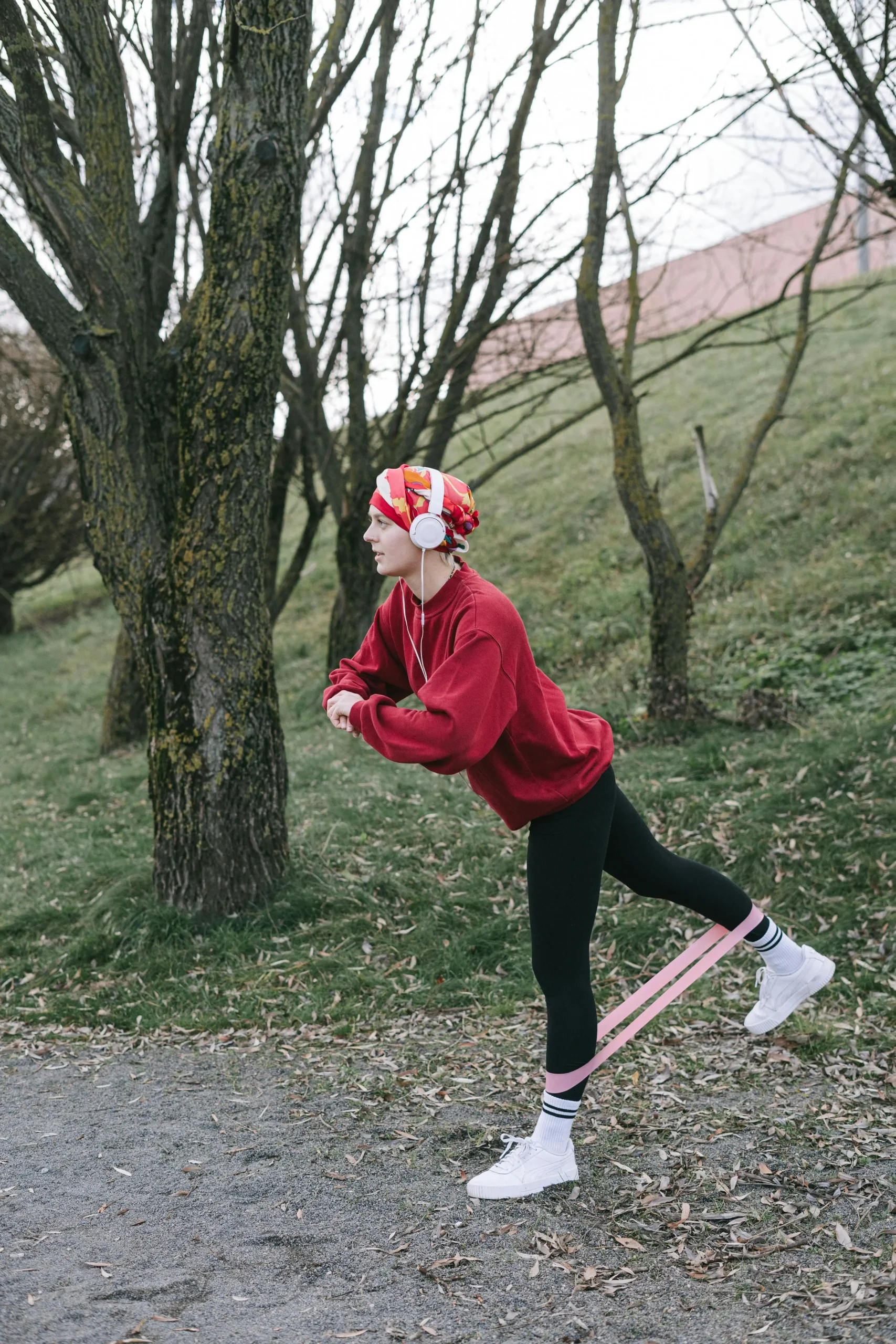
Starting the gym for the first time? This 2000-word beginner gym guide walks you through exactly what to do in your first week, including workouts, machines, routines, mistakes to avoid, and how to build confidence.
Introduction: The First Week at the Gym Is the Hardest Part
Starting the gym for the first time is a moment many people delay for months or even years. The idea of stepping into a room filled with machines, weights, and experienced gym-goers can feel intimidating. You might not know where to start, what to do, or how to use the equipment correctly.
This is completely normal. Every experienced gym member once had their first week too.
The truth is, your first week at the gym is not about getting fit instantly or pushing your body to the limit. It is about learning the environment, building confidence, and slowly introducing your body to movement again.
Once you remove the pressure of performance, the gym becomes less intimidating and more structured. This guide will walk you through exactly what to do in your first week so you can start your fitness journey with confidence and clarity.
Understanding Your Goal for Week One
Before anything else, you need to understand what your first week is actually for.
Your goals are not:
- Losing weight immediately
- Lifting heavy weights
- Achieving visible transformation
- Following advanced workout programs
Your real goals are:
- Learning how the gym works
- Becoming comfortable with equipment
- Building a basic routine
- Training your body to move again
- Developing consistency
If you achieve these five things, your first week is already a success.
Day 1: Getting Comfortable in the Gym Environment
Your first day should feel more like exploration than exercise.
Walk into the gym with one mindset: observation and familiarity.
Start with a light warm-up such as walking on a treadmill or cycling for 5–10 minutes. This is not about burning calories—it is about easing your body into movement.
After warming up, take time to explore basic machines:
- Treadmill
- Stationary bike
- Leg press machine
- Chest press machine
- Lat pulldown machine
Try each machine with very light resistance. Perform only 1–2 sets of 8–10 repetitions. Focus on how your body moves rather than how much weight you lift.
You may feel unsure at first, and that is expected. The goal is not performance—it is comfort.
End your session with slow walking and stretching. The most important success on Day 1 is simple: you showed up.
Day 2: Your First Full-Body Beginner Workout
On your second visit, you can begin a simple full-body workout.
This is where your body starts recognizing structured movement again.
A basic beginner routine includes:
- Bodyweight squats or leg press
- Chest press machine or push-ups
- Lat pulldown or assisted row
- Plank hold for core stability
Perform 2–3 sets of 8–12 repetitions for each exercise. Rest for about 60–90 seconds between sets.
The focus should always be slow and controlled movement. Do not rush repetitions. Proper form is far more important than weight.
It is normal to feel mild soreness the next day. This is your body adapting to new physical stress.
Day 3: Active Recovery and Light Movement
Rest is not optional—it is essential.
Many beginners make the mistake of training every day during their first week, which often leads to exhaustion or burnout.
Instead of going to the gym, focus on light movement:
- 20–30 minute walk
- Gentle stretching
- Mobility exercises at home
This helps your muscles recover and reduces soreness.
Think of recovery as part of training, not a break from it.
Day 4: Repeating Full-Body Training With Better Confidence
By your fourth day, you will start feeling slightly more comfortable in the gym environment.
Machines will feel less unfamiliar, and movements will begin to make more sense.
Repeat your full-body workout from Day 2:
- Squats or leg press
- Chest press
- Lat pulldown
- Plank
The difference this time is awareness. You may notice better balance, smoother movements, and improved coordination.
Do not rush to increase weight yet. Consistency matters more than intensity at this stage.
Day 5: Introducing Light Cardio Training
Cardio helps improve endurance and supports overall fitness.
Choose one:
- Treadmill walking
- Stationary bike
- Elliptical machine
Aim for 15–25 minutes at a comfortable pace.
This session is not about exhaustion. It is about building stamina and making movement feel natural.
By now, your body is slowly adjusting to regular activity.
Day 6: Optional Light Workout or Rest Day
At this point, your body is still adapting to the new routine.
You have two options:
Option 1: Light Workout
- 2–3 basic exercises
- Light weights
- Short session (20–30 minutes max)
Option 2: Full Rest Day
- No gym
- Focus on hydration
- Light stretching or walking
Both options are correct. Listening to your body is part of learning fitness.
Day 7: Reflection and Mental Reset
Your final day of the week is not about physical training. It is about reflection.
Ask yourself:
- What felt comfortable?
- What felt difficult?
- Did I enjoy any part of the gym?
- What equipment do I understand better now?
This reflection helps you prepare for your second week.
At this stage, progress is not measured by weight loss or visible changes. It is measured by familiarity and consistency.
Common Mistakes Beginners Make in the First Week
Many beginners struggle not because they lack ability, but because they approach fitness incorrectly.
1. Doing too much too soon
Overtraining leads to burnout and discouragement.
2. Ignoring proper form
Bad form increases injury risk and slows progress.
3. Comparing yourself to others
Everyone in the gym started somewhere.
4. Expecting fast results
Real progress takes time and consistency.
5. Skipping rest days
Recovery is essential for improvement.
Avoiding these mistakes will make your fitness journey much smoother.
Building Confidence in the Gym
Confidence does not come from experience—it comes from repetition.
Every time you return to the gym, you become:
- More familiar with machines
- More comfortable with movement
- Less anxious in the environment
Even short sessions build confidence over time. Showing up consistently matters more than intensity.
Nutrition Support for Beginners
Exercise works best when supported by balanced eating habits.
You do not need a strict diet in your first week. Instead, focus on simple improvements:
- Drink enough water
- Eat regular meals
- Include protein and fiber
- Reduce excess sugar intake
Small changes are easier to maintain and create long-term results.
As you adjust to a more active lifestyle, mindful food choices can also help support your routine. Some people prefer using better-for-you alternatives such as
Skinii® Sweetener 16oz
as part of their transition away from high-sugar habits while building a healthier daily routine.

What Progress Looks Like After One Week
After your first week, do not expect dramatic physical changes.
Instead, real progress looks like:
- Feeling less nervous in the gym
- Knowing how basic machines work
- Completing workouts without stopping early
- Feeling slightly more energetic
- Building a routine mindset
These small wins are the foundation of long-term transformation.
Final Thoughts: Your First Week Is About Starting, Not Perfecting
Your first week at the gym is not about pushing your limits or achieving visible results. It is about building comfort, learning the basics, and establishing consistency.
The biggest achievement is simply this: you started.
Once you complete your first week, everything becomes easier. The gym becomes familiar instead of intimidating. Movement becomes routine instead of effort.
Fitness is not built in a week. It is built through weeks, months, and consistency.
Your journey begins with showing up—and you already did.


Leave a Comment