
Why Everyday Energy Is The New Wellness Goal

For years, many health trends focused on visible results. Weight loss, physical transformations, and dramatic before-and-after stories dominated conversations about wellness.
Today, that mindset is beginning to change.
More people are moving away from short-term transformations and focusing on something more sustainable: how they feel and perform every day.
Energy, focus, strength, and overall well-being are becoming the new measures of health success.
The modern wellness goal is no longer only about changing appearance. It is about building a lifestyle that supports better performance, improved mood, consistent energy, and long-term health.
This shift reflects a deeper understanding of what it means to be healthy.
A person can look healthy but still struggle with fatigue, poor sleep, stress, or low energy. As consumers become more educated about wellness, they are recognizing that true health involves more than external changes.
Everyday performance has become a major priority.
People want to wake up feeling refreshed, stay focused throughout the day, maintain stable energy levels, and have the ability to enjoy their lives outside of work and responsibilities.
This has changed the way people approach fitness, nutrition, and self-care.
Instead of chasing extreme routines, many are focusing on consistent habits that create long-term benefits.
One of the biggest drivers behind this movement is the growing interest in sustainable wellness. Quick fixes may create short-term results, but many people are realizing that lasting health comes from daily choices.
Small improvements in sleep, movement, nutrition, hydration, and stress management can have a powerful impact over time.
Energy has become a reflection of overall health because it is influenced by many different factors.
Nutrition plays a major role in maintaining consistent energy. Many people are paying closer attention to the quality of their meals, focusing on balanced nutrition rather than restrictive approaches.
Protein, healthy fats, fiber, vitamins, and minerals all contribute to how the body functions throughout the day.
The goal is not simply eating less—it is fueling the body effectively.
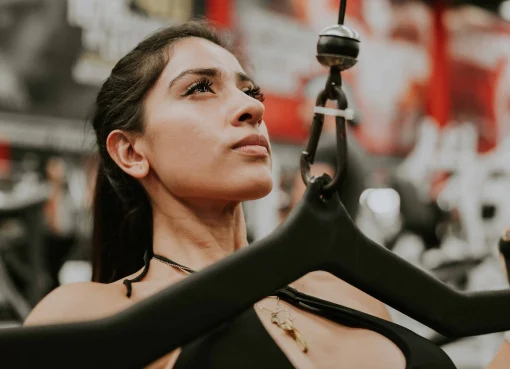
Movement is also being redefined. While intense workouts remain popular, more people are recognizing the importance of daily activity, strength training, mobility, and functional fitness.
The focus is shifting from exercise as punishment toward movement as a way to support energy and quality of life.
Strength, flexibility, and endurance are becoming important markers of wellness.
Sleep has also become a major part of the energy conversation. As research continues highlighting the connection between rest and health, more people are prioritizing recovery as much as productivity.
Better sleep can influence mood, focus, metabolism, and physical performance.
Wellness is increasingly being viewed as a complete system rather than a collection of separate habits.
Technology has helped accelerate this change. Fitness trackers, wellness apps, health platforms, and digital coaching tools allow people to monitor progress and understand their personal patterns.
Instead of relying only on appearance-based goals, individuals can track behaviors such as activity levels, sleep quality, and consistency.
Personalization is becoming one of the biggest trends in health. People are recognizing that wellness is not one-size-fits-all.
Different bodies, lifestyles, schedules, and goals require different approaches.
This has increased interest in customized nutrition plans, personalized fitness programs, and health tools designed around individual needs.
Mental wellness is also becoming an important part of everyday performance. Stress management, mindfulness, and emotional balance are increasingly recognized as essential parts of maintaining energy.
A healthy lifestyle is not only about physical strength. It is also about having the mental capacity to handle daily challenges.
The shift toward energy-focused wellness is also changing how brands communicate with consumers. Many companies are moving away from unrealistic transformation messaging and focusing more on confidence, consistency, and long-term improvement.
People are looking for realistic solutions that fit into their lives.
This does not mean traditional health goals are disappearing. Weight management, muscle building, and physical changes remain important goals for many people.
However, the conversation is expanding.
More individuals are asking different questions:
How can I feel better every day?
How can I improve my focus?
How can I build habits I can maintain?
How can I support my future health?
These questions represent a broader change in wellness culture.
The future of health will likely focus less on temporary results and more on sustainable performance. People are increasingly interested in building lifestyles that help them feel stronger, more energized, and more capable.
Everyday energy has become the foundation for modern wellness because it affects everything—from productivity and relationships to confidence and overall quality of life.
The healthiest lifestyle is not the one that creates the fastest change.
It is the one that helps you consistently show up at your best.
References
- Harvard T.H. Chan School of Public Health – Nutrition, Lifestyle, and Health Research
- World Health Organization – Physical Activity and Wellness Guidelines
- Centers for Disease Control and Prevention – Healthy Lifestyle and Prevention Resources
- National Institutes of Health – Sleep, Health, and Wellness Research
- American College of Sports Medicine – Fitness and Exercise Research
- Deloitte – Health and Wellness Consumer Trends Research


Leave a Comment