
How to Start Exercising When You Haven’t Worked Out in Years
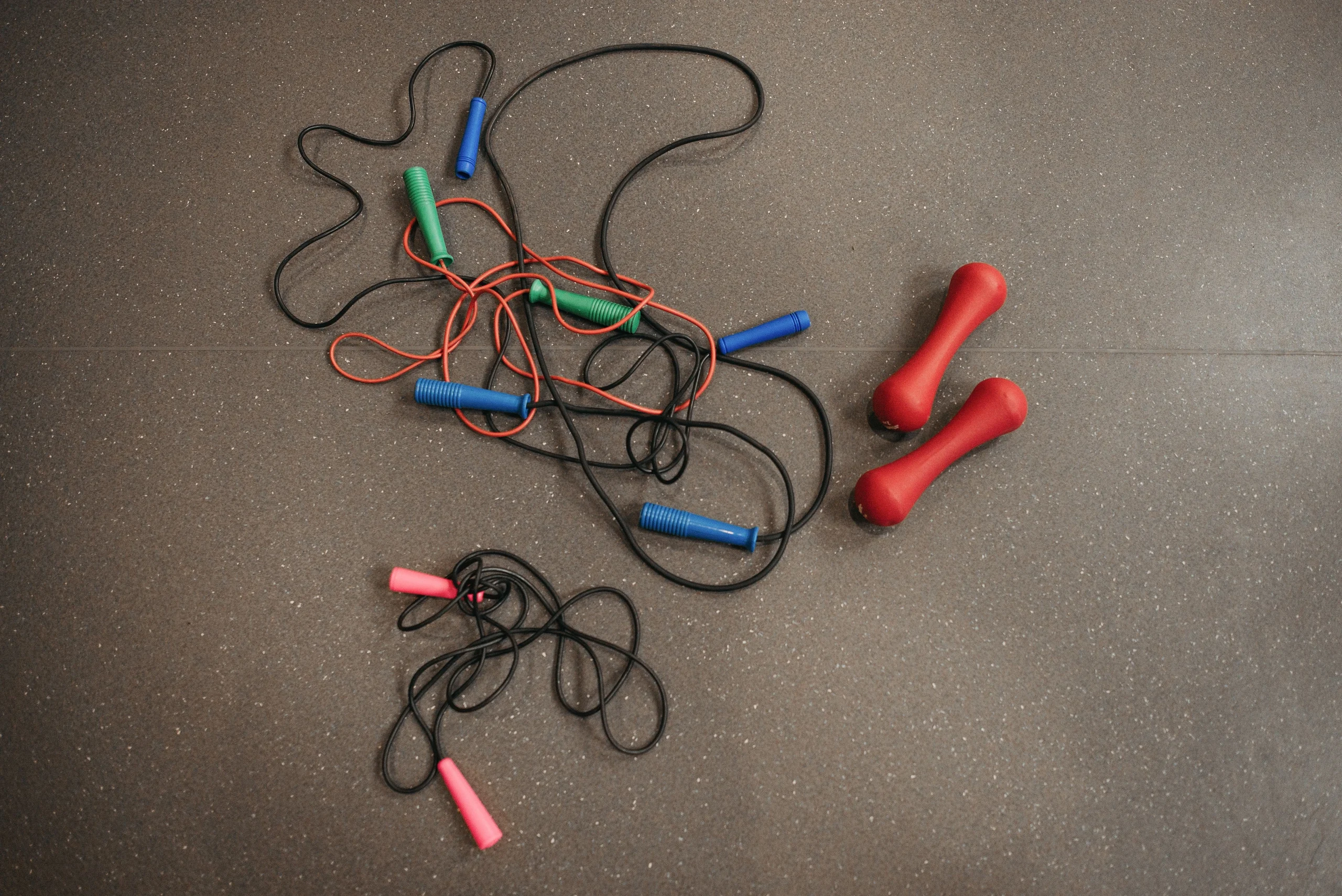
Getting back into exercise after years away can feel intimidating. You may remember being more active in the past, but starting again can bring questions about where to begin, how often to exercise, and whether you are doing enough. The good news is that you do not need to return to your old fitness level overnight. Starting slowly and building consistent habits can make exercise feel more manageable and enjoyable.
Whether you have been busy with work, family responsibilities, lifestyle changes, or simply lost your motivation to exercise, it is never too late to become more active. The goal is not to punish yourself for the years you spent away from exercise. Instead, focus on what you can comfortably do today and gradually build from there.
Why Starting Slowly Matters
One of the biggest mistakes people make when returning to exercise is trying to do too much too soon. Motivation can be strong at the beginning, leading someone to attempt long workouts, heavy weights, or intense cardio sessions immediately.
After a long period of inactivity, however, your body may need time to adapt. Muscles, joints, connective tissues, and your cardiovascular system all need time to adjust to increased physical demands.
Starting with manageable activity allows you to develop consistency without making exercise feel overwhelming. A short walk or gentle workout may not seem impressive, but repeating it regularly can create a strong foundation for future progress.
Remember that your first goal is not to become extremely fit. Your first goal is to become active again.
Check In With Your Health Before You Begin
If you have not exercised in years, it can be helpful to consider your current health before beginning a new fitness program. People with certain medical conditions, significant health concerns, or symptoms that could affect exercise should speak with an appropriate healthcare professional before starting or substantially increasing physical activity.
This is especially important if you experience unexplained chest discomfort, unusual shortness of breath, dizziness, fainting, or other concerning symptoms.
For generally healthy adults, starting with low- to moderate-intensity activities can be a practical way to gradually return to movement. The key is to pay attention to how your body responds and increase activity progressively.
Start With Walking
Walking is one of the simplest ways to restart an exercise routine. It requires little equipment, can be adapted to different fitness levels, and can be incorporated into everyday life.
If you have been inactive for a long time, start with a short walk that feels comfortable. Ten or fifteen minutes may be enough at first. As your endurance improves, you can gradually increase the duration.
You do not have to walk at a fast pace immediately. Focus on becoming comfortable with regular movement. Eventually, you may naturally find yourself walking farther or faster without feeling as tired.
Walking can also be an opportunity to spend time outdoors, listen to music or a podcast, or simply clear your mind.
Add Basic Strength Training
Cardiovascular activity is only one part of fitness. Strength training can also be valuable when returning to exercise because it helps challenge your muscles and improve functional strength.
You do not need a gym membership or heavy weights to get started. Beginner exercises can include chair squats, wall push-ups, glute bridges, standing leg raises, and other controlled bodyweight movements.
Start with a small number of repetitions and focus on good technique. As the exercises become easier, you can gradually increase repetitions or introduce resistance bands, dumbbells, or other equipment.
Strength training does not need to be complicated. A simple routine performed consistently can provide a useful foundation.
Create a Realistic Weekly Routine
One of the easiest ways to lose motivation is to create a schedule that does not fit your life. If you have not exercised in years, committing to an intense seven-day workout schedule may not be realistic.
Instead, begin with a manageable amount of activity. You could start by walking several times per week and adding one or two short strength sessions.
Your routine might look something like this: a 15- to 20-minute walk on Monday, a short strength session on Wednesday, another walk on Friday, and a longer easy walk on the weekend.
The exact schedule is less important than finding something you can repeat. Once your routine becomes familiar, you can gradually increase the duration or intensity.
Don’t Ignore Warm-Ups
A warm-up prepares your body for activity and gives you an opportunity to gradually increase your heart rate and movement.
A beginner warm-up does not need to be complicated. Start with several minutes of easy walking or gentle movement. You can then perform dynamic movements appropriate for the activity you are about to do.
For strength training, use lighter movements or easier versions of the exercises before progressing to more challenging sets.
The purpose of a warm-up is not to exhaust yourself. It is simply to transition your body from rest to exercise.
Learn the Difference Between Challenge and Pain
When you begin exercising again, some muscle fatigue and mild soreness can occur as your body adapts to unfamiliar activity. However, exercise should not be about pushing through significant pain.
Sharp, severe, or unusual pain is different from the normal feeling of muscles working. If something feels wrong, stop the activity and assess what is happening.
Learning to listen to your body is an important part of returning to exercise. Progress does not require ignoring warning signs.
Focus on Consistency Instead of Intensity
When you have not exercised for years, it can be tempting to judge your workouts by how difficult they feel. A workout that leaves you exhausted may seem more productive than a gentle session.
However, fitness is built through repeated activity. A moderate workout that you can consistently complete may be more useful than an extremely difficult workout that leaves you unable to exercise for several days.
Try to measure progress by your consistency. If you walk three times this week after previously doing no exercise, that is meaningful progress.
Over time, your body will adapt, and activities that once felt difficult may become easier.
Make Exercise Convenient
Your environment can have a major influence on whether you exercise. If getting started requires too many steps, you may be more likely to skip your workout.
Keep your walking shoes somewhere easy to access. Prepare your workout clothes in advance. If you exercise at home, keep basic equipment in a visible location.
You can also schedule exercise like an appointment. Put your workout time on your calendar and treat it as a commitment.
Making exercise convenient reduces the amount of motivation you need to get started.
Choose Activities You Actually Enjoy
There is no rule that says you have to run, lift weights, or spend hours on a treadmill. Exercise can take many forms.
You might enjoy walking, cycling, swimming, dancing, hiking, gardening, recreational sports, or beginner fitness classes.
Enjoyment matters because activities you like are easier to repeat. If you constantly force yourself to do workouts you dislike, staying consistent can become difficult.
Experiment with different forms of movement until you find something that feels sustainable.
Don’t Compare Yourself to Your Past Self
If you used to exercise regularly years ago, it can be frustrating when your current abilities do not match your previous fitness level.
Try not to treat your past fitness as a standard you must immediately reach. Your body and circumstances may have changed, and that is normal.
Instead, compare where you are today with where you were a few weeks ago. Maybe you can walk for longer without getting tired. Perhaps you can perform more repetitions or recover more quickly after exercise.
These small improvements are meaningful signs of progress.
Give Your Body Time to Recover
Recovery is an important part of a beginner fitness routine. Your body needs time to adapt to new physical demands.
If you are extremely sore after a workout, you do not necessarily need to push through another intense session the next day. Consider lighter movement, walking, stretching, or rest depending on how you feel.
As your fitness improves, your ability to recover may also improve. For now, focus on finding a balance between activity and recovery.
Support Your Exercise Routine With Good Nutrition
Exercise and nutrition work together as part of an overall healthy lifestyle. You do not need a complicated diet to support your return to fitness.
Focus on a variety of nutritious foods, including vegetables, fruits, whole grains, protein sources, and healthy fats. Staying hydrated is also important, particularly when you are active or exercising in warm conditions.
You can also make simple meals more enjoyable by using flavorful seasonings. For example, Skinii® Delight Delicious Seasoning can be incorporated into meals as an easy way to add flavor while preparing food at home.

The goal is not to create a perfect diet. It is to develop eating habits that support your energy, recovery, and overall well-being.
Set Small Fitness Goals
Large goals can be motivating, but smaller goals are often easier to achieve when you are just starting again.
Instead of saying, “I want to get fit,” create a specific goal such as walking for 20 minutes three times this week. Once you achieve it, create another manageable goal.
You might eventually work toward longer walks, additional strength sessions, improved endurance, or greater strength.
Small goals create opportunities to experience success, which can make it easier to stay motivated.
Don’t Let One Missed Workout Stop You
Life will sometimes interfere with your exercise routine. You may have a busy day, feel tired, have family responsibilities, or simply not feel motivated.
Missing one workout does not mean you have failed. The important thing is to return to your routine rather than allowing one missed day to become several weeks.
Avoid the mindset that you need to “start over” every time you miss a workout. Your progress does not disappear because you skipped one session.
Think of exercise as a long-term habit rather than a short-term challenge.
Gradually Increase the Challenge
Once your routine begins to feel comfortable, you can gradually make your workouts more challenging.
For walking, this could mean increasing your distance, walking slightly faster, or adding another day of activity. For strength training, you might add repetitions, increase resistance, or introduce a more challenging variation of an exercise.
The key word is gradually. You do not need to make dramatic changes every week.
Your body needs time to adapt. Slow and steady progress can make it easier to maintain your routine while reducing the risk of becoming overwhelmed.
Track Your Progress
Tracking your progress can help you recognize improvements that may otherwise be difficult to notice.
You can record how many days you exercise, how long you walk, which strength exercises you complete, or how you feel after each workout.
You do not need an elaborate fitness tracker. A simple notebook or phone note can be enough.
Pay attention to improvements beyond the number on a scale. Better endurance, improved strength, more energy, easier movement, and greater confidence are all meaningful forms of progress.
Make Fitness Part of Your Lifestyle
Eventually, exercise can become less of a separate task and more of a normal part of your lifestyle.
Walk while running errands when practical. Take the stairs when comfortable. Spend weekends doing active activities with friends or family. Stretch during breaks from long periods of sitting.
These small choices can add more movement to your day without requiring a formal workout every time.
The more naturally movement fits into your lifestyle, the easier it may become to remain active long term.
A Simple Beginner Approach
If you are unsure where to begin, keep your first few weeks simple. Start with short walks and basic strength exercises. Give yourself recovery days and pay attention to how your body responds.
For example, you might walk for 15 to 20 minutes three days a week and perform a short beginner strength routine once or twice a week. After several weeks, you can gradually increase the duration or frequency if you feel ready.
This approach may seem slow, but the purpose is to build a foundation that can last.
You are not trying to become an athlete in a few weeks. You are creating a healthier relationship with movement.
Final Thoughts
Starting exercise after years of inactivity can feel challenging, but you do not have to become fit overnight. The most important step is simply beginning.
Start with manageable activities such as walking, add basic strength exercises, and gradually increase your activity as your body adapts. Focus on consistency rather than perfection, choose activities you enjoy, and give yourself enough time to recover.
Remember that every active day is a step forward. Your current fitness level does not determine where you can eventually go. With patience, realistic goals, and consistent effort, exercise can become a sustainable part of your everyday life.
The best time to start does not have to be tomorrow or next Monday. It can be today, with one small walk, one simple exercise, or one decision to move a little more than you did yesterday.



Leave a Comment