
Cycling for Beginners: How to Start Riding for Better Fitness
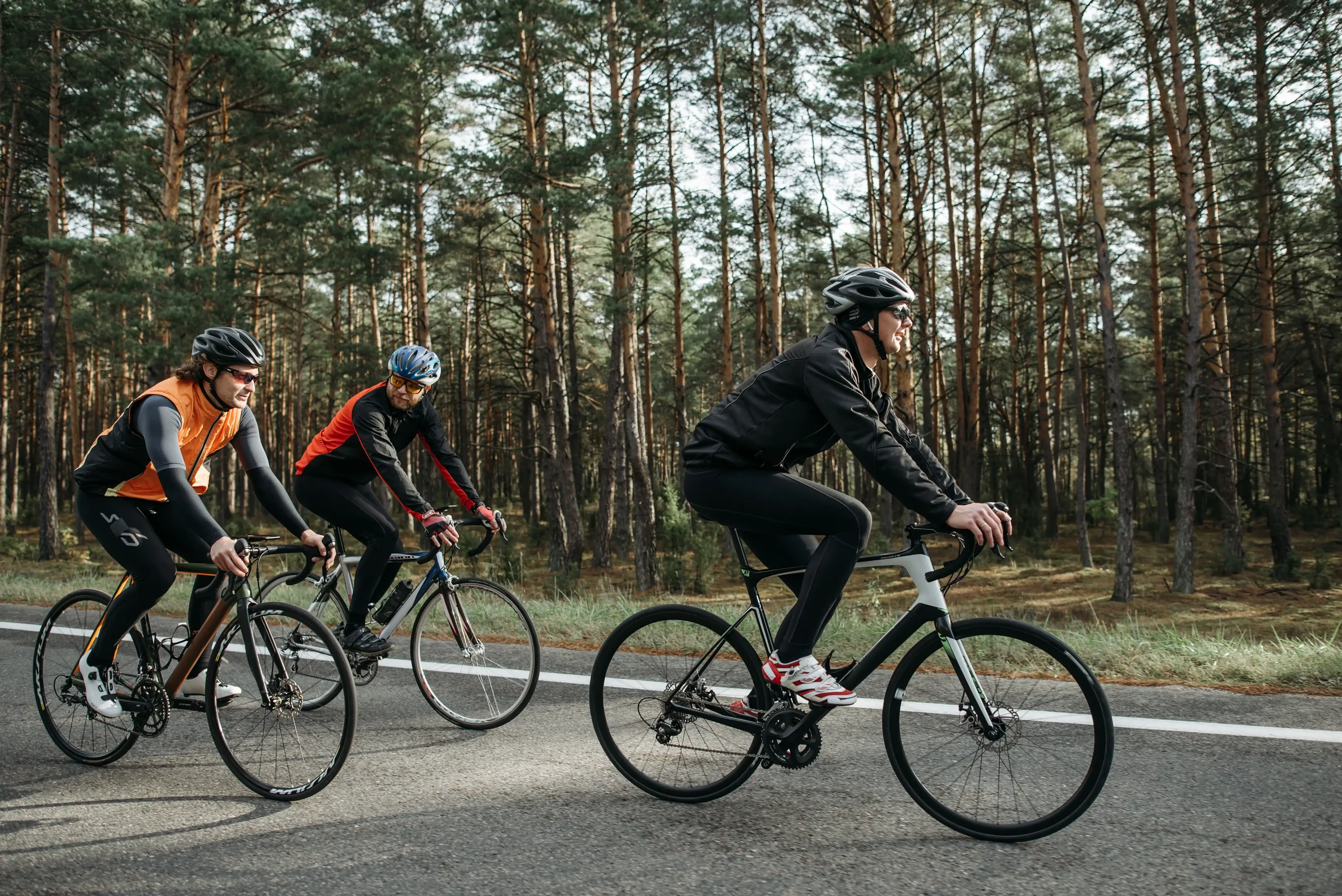
Starting a new fitness routine can feel intimidating, especially if you are unsure which exercise is right for your current fitness level. Cycling is one of the most accessible ways to become more active, whether you prefer riding outdoors, using a stationary bike at home, or taking a cycling class at the gym.
Cycling can help improve cardiovascular fitness, build lower-body strength, support endurance, and make regular exercise feel more enjoyable. It can also be adapted to different fitness levels, making it a practical option for people who are just beginning their fitness journey.
Whether you are planning to ride around your neighborhood, explore local bike paths, or simply pedal indoors while watching your favorite show, getting started does not have to be complicated. With the right approach to equipment, food, hydration, safety, and progression, cycling can become a sustainable part of your fitness routine.
Why Cycling Is a Good Exercise for Beginners
Cycling is a cardiovascular activity that uses several major muscle groups, particularly the muscles of the legs. The quadriceps, hamstrings, calves, and glutes all contribute to pedaling, while the core helps stabilize the body.
One of the biggest advantages of cycling for beginners is that you can control the intensity. You can start with a comfortable pace and gradually increase your distance, resistance, or riding time as your fitness improves.
Cycling can also be lower impact than activities such as running because the bicycle supports much of your body weight. This can make it an appealing option for people who prefer an exercise that places less repetitive impact on the joints.
Of course, every person’s fitness level and physical needs are different. Beginners should start gradually and adjust their routine according to how their body responds.
Outdoor Cycling vs. Stationary Cycling
Beginners often wonder whether outdoor cycling or stationary cycling is better. The answer depends largely on your preferences, schedule, and access to equipment.
Outdoor cycling provides the opportunity to exercise while exploring your surroundings. You can ride through your neighborhood, use dedicated bike paths, or incorporate cycling into recreational activities. Outdoor riding also introduces variables such as hills, wind, traffic, and different surfaces, which can make every ride slightly different.
Stationary cycling, on the other hand, offers convenience and consistency. You can exercise at home or in a gym regardless of weather conditions. Resistance and duration can usually be adjusted easily, allowing beginners to control the intensity of each workout.
Neither option is automatically better. The best choice is the one that makes you want to keep riding.
Some beginners may even benefit from combining both. Outdoor rides can make exercise more adventurous, while stationary cycling can provide a convenient option when time or weather becomes an issue.
How to Choose a Bike as a Beginner
If you are cycling outdoors, choosing the right bicycle is an important first step. You do not necessarily need the most expensive bike or the latest model to begin.
The most important consideration is whether the bicycle fits your body properly and feels comfortable to ride. A bike that is too large or too small can make riding uncomfortable and may affect your ability to control the bicycle effectively.
Different bicycles are designed for different purposes. Road bikes are generally designed for paved surfaces and speed, while mountain bikes are built for rougher terrain. Hybrid bikes can be a versatile option for recreational riders who want something suitable for a variety of everyday surfaces.
If you are uncertain about sizing, visiting a reputable bicycle shop and asking for professional fitting advice can be helpful.
For stationary cycling, beginners can choose between traditional exercise bikes, spin bikes, and other indoor cycling machines. Features such as adjustable resistance, seat height, and handlebar positioning can make a significant difference in comfort.
Start With Short Cycling Workouts
One of the most common mistakes beginners make is doing too much too soon.
You do not need to cycle for an hour on your first day to make your workout worthwhile. Starting with a manageable amount of time can help your body adjust to the activity and make it easier to remain consistent.
A beginner might start with approximately 15 to 20 minutes of comfortable cycling several times per week. If that feels manageable, the duration can gradually increase.
The goal is to build consistency before focusing heavily on speed or distance.
As your endurance improves, you can gradually extend your rides. For example, you might eventually move toward 30-minute rides and then longer sessions depending on your goals and fitness level.
Progress does not need to happen every workout. Rest days are also part of a successful fitness routine.
A Simple Beginner Cycling Workout
A beginner cycling workout does not need complicated intervals or advanced training techniques.
Start with a few minutes of easy pedaling to warm up. Once you feel comfortable, increase the pace slightly while maintaining a level that allows you to control your breathing. Continue at this moderate effort for several minutes before gradually slowing down.
Finish with several minutes of easy cycling to allow your body to transition out of the workout.
As you become more comfortable, you can introduce short periods of increased resistance or faster pedaling. For example, you might pedal at a comfortable pace for several minutes and then increase your effort for 30 seconds before returning to an easier pace.
These short changes in intensity can make stationary cycling more engaging and help you gradually develop endurance.
Building Cycling Endurance
Endurance takes time to develop. Instead of trying to dramatically increase your riding distance every week, focus on gradual improvements.
You might begin by increasing the length of one ride each week while keeping your other rides shorter. Another approach is to add a few minutes to each session when your current workout begins to feel comfortable.
Your perceived effort can also help you understand your intensity. During an easier ride, you should generally be able to speak comfortably. As the intensity increases, talking may become more difficult.
You do not need to make every ride challenging. A mixture of easy and moderate sessions can make a fitness routine more sustainable.
Rest and recovery are equally important because your body needs time to adapt to new physical demands.
What Should You Eat Before Cycling?
Food can play an important role in how you feel during a cycling workout. The best pre-workout meal depends on the length and intensity of your ride, as well as your individual preferences.
For a shorter, easier ride, you may not need a large meal immediately beforehand. A small snack can be enough for some people.
Good pre-cycling options can include a banana with peanut butter, oatmeal with berries, Greek yogurt with fruit, or whole-grain toast with eggs. These combinations provide carbohydrates alongside protein and can be satisfying without being overly complicated.
If you are planning a longer ride, you may benefit from eating a more substantial meal a few hours beforehand. Rice with eggs and vegetables, oatmeal topped with banana and nuts, or a chicken and rice bowl can provide a combination of carbohydrates and protein.
The key is to give yourself enough time to digest your meal. Eating a large, heavy meal immediately before cycling may leave you feeling uncomfortable.
A Tasty Protein Option After Cycling
After cycling, a balanced meal or snack containing protein and carbohydrates can be a practical way to support your overall nutrition and recovery.
One easy option is a vanilla protein shake made with milk or your preferred milk alternative, banana, and a small spoonful of peanut butter. The combination creates a naturally sweet, creamy flavor that works particularly well after a workout.
You can also make a simple smoothie by blending vanilla protein powder with banana, strawberries, oats, and milk. The fruit adds natural sweetness and carbohydrates, while oats can make the smoothie more filling.
For cyclists who prefer a chocolate-and-vanilla combination, try blending vanilla protein powder with banana, cocoa powder, milk, and a little peanut butter. It tastes similar to a chocolate-peanut-butter shake while providing a convenient post-workout option.
Another simple combination is vanilla protein powder, frozen mango, Greek yogurt, and coconut water. The result is a refreshing tropical smoothie that can be particularly enjoyable after an outdoor ride.
For a convenient protein option to incorporate into a post-cycling shake or smoothie, Skinii Vegan Protein Low Carb Vanilla can be mixed with ingredients such as banana, berries, oats, peanut butter, or milk alternatives.

The important thing is not to treat one product as a substitute for a balanced diet. Your overall food choices throughout the day matter more than any individual shake or supplement.
Hydration During Cycling
Hydration is another important part of cycling, particularly during longer rides or when exercising in warm weather.
For shorter workouts, drinking water throughout the day and having water available during your ride may be sufficient for many people. Longer or more intense sessions can increase fluid and electrolyte needs, particularly when you are sweating heavily.
Outdoor cyclists should always consider the weather and route when planning hydration. If you are going on a longer ride, make sure you have enough water or know where you can safely refill.
It is also a good idea to avoid waiting until you are extremely thirsty before drinking.
Your hydration needs will vary based on factors such as temperature, exercise intensity, duration, and individual sweat rate.
Cycling Safety for Beginners
Safety should be a priority from your very first ride.
When cycling outdoors, wearing a properly fitted helmet is one of the most important precautions. You should also make sure your bicycle is in good working condition before riding.
Check the brakes, tires, chain, and other important components regularly. If you are unfamiliar with bicycle maintenance, a professional bike shop can help inspect your bicycle.
Visibility also matters. If you are riding in low-light conditions, appropriate front and rear lights and reflective elements can help make you more visible to others.
Choose routes that match your current experience level. Beginners may feel more comfortable starting on quieter roads, bike paths, or other areas where they can practice handling the bicycle without heavy traffic.
Follow local traffic rules and remain aware of vehicles, pedestrians, other cyclists, and road conditions.
Proper Cycling Form Matters
Good positioning can make cycling more comfortable and efficient.
Your seat should be adjusted so that your legs are not excessively bent or completely locked out at the bottom of the pedal stroke. Your handlebars should allow you to maintain a comfortable position without excessive strain on your shoulders, neck, or wrists.
Try to keep your upper body relaxed while riding. Avoid gripping the handlebars unnecessarily tightly.
If you experience persistent pain or discomfort while cycling, stop and reassess your bike setup and technique. A professional bike fitting can be particularly useful if discomfort continues.
Common Beginner Cycling Mistakes
One of the biggest mistakes is trying to match the pace of experienced cyclists immediately. Everyone starts somewhere, and your fitness will improve with consistent practice.
Another mistake is ignoring recovery. Cycling every day at high intensity is not necessary for beginners. Your body needs time to adapt.
Skipping food and hydration can also make workouts feel harder than they need to be. A sensible approach is to fuel according to the duration and intensity of your ride.
Finally, do not become overly focused on speed or distance. Tracking progress can be motivating, but fitness is about more than numbers. Being able to ride more comfortably, recover faster, or enjoy a longer route can also represent meaningful progress.
How Often Should Beginners Cycle?
There is no single schedule that works for everyone, but consistency is more important than trying to exercise every day.
A beginner might start with cycling two or three times per week, allowing recovery days between more demanding sessions. As fitness improves, additional sessions can be added if they fit comfortably into your lifestyle.
You can also combine cycling with other forms of exercise. Strength training can help develop overall muscular fitness, while mobility exercises can complement your cycling routine.
The goal is to create a routine you can maintain for months rather than a demanding schedule that lasts only a few weeks.
Making Cycling a Habit
The easiest way to make cycling part of your lifestyle is to make it enjoyable.
Choose routes that interest you, listen to music when appropriate and safe, ride with friends, or use a stationary bike while watching a favorite program.
Setting small goals can also help. Instead of saying that you need to become a great cyclist immediately, set achievable targets such as completing three rides in a week or extending one ride by five minutes.
As your fitness improves, you may naturally become interested in longer distances, faster rides, hills, group cycling, or more structured training.
The most important goal at the beginning is simply to keep moving.
Final Thoughts
Cycling is an excellent starting point for people who want to become more active without making fitness unnecessarily complicated. Whether you choose an outdoor bicycle or a stationary bike, you can control the intensity and gradually increase your workout as your endurance develops.
A successful cycling routine involves more than pedaling. Proper bike setup, safety equipment, hydration, nutritious meals, recovery, and gradual progression all contribute to a better experience.
Food can also make cycling more enjoyable. Simple combinations such as banana and peanut butter before a ride or a vanilla protein smoothie with berries and oats afterward can provide satisfying options that fit naturally into an active lifestyle.
Most importantly, remember that fitness is a long-term process. You do not need to be fast, ride long distances, or complete difficult workouts when you are starting. Begin at a comfortable level, stay consistent, listen to your body, and allow your fitness to improve over time. With patience, cycling can become more than just a workout—it can become a sustainable and enjoyable part of your everyday life.


Leave a Comment