
Can Planks Help Flatten Your Stomach? A Beginner’s Guide to Building a Stronger Core
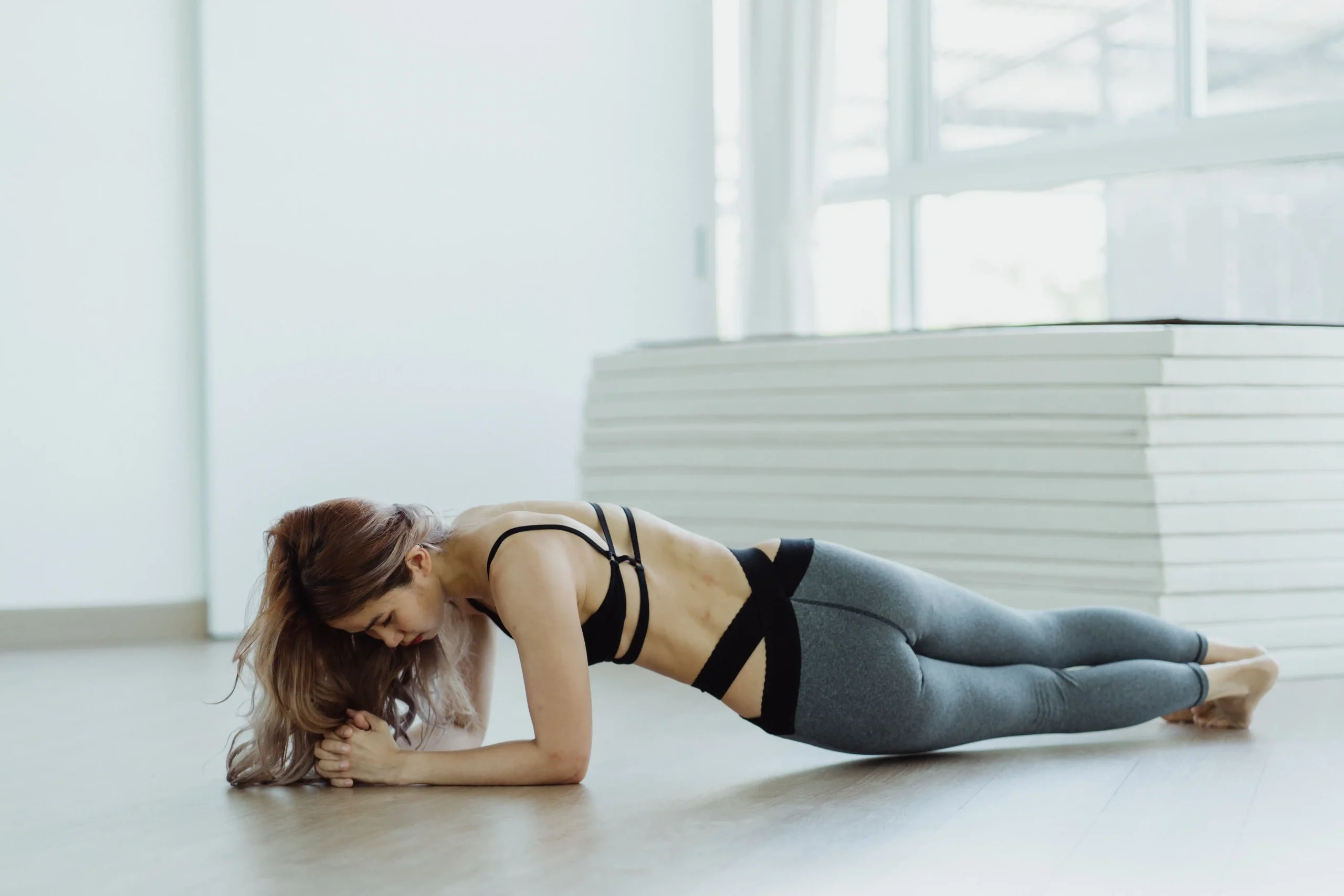
A flatter-looking stomach is one of the most common fitness goals for beginners, but achieving it takes more than doing hundreds of crunches or spending hours at the gym. One of the simplest exercises you can add to your routine is the plank. Planks are a bodyweight exercise that can strengthen several muscles throughout your core while also supporting better posture, balance, and overall stability. But can planks actually help flatten your stomach? The answer is more nuanced than many fitness headlines suggest. Planks can strengthen and tone the abdominal muscles, but they cannot specifically burn fat from your stomach. When combined with regular physical activity, nutritious eating, adequate sleep, and a consistent workout routine, however, planks can become an effective part of a beginner-friendly fitness plan designed to build a stronger and more defined core.
What Is a Plank Exercise?
A plank is a simple isometric exercise in which you hold your body in a stable position while engaging your core muscles. Unlike exercises that involve repeated movement, such as sit-ups or bicycle crunches, a traditional plank requires you to maintain one position for a period of time. This makes it accessible to beginners because you can start with a short hold and gradually increase the duration as your strength improves.
The basic forearm plank begins with your elbows positioned underneath your shoulders and your legs extended behind you. Your body should form a relatively straight line from your head to your heels. While holding the position, you tighten your abdominal muscles, squeeze your glutes, and keep your hips from dropping toward the floor or rising too high. Although the movement looks simple, maintaining proper form requires several muscles to work together.
Planks primarily challenge the muscles of the core, including the rectus abdominis, transverse abdominis, obliques, and other stabilizing muscles around the trunk. They also involve the shoulders, arms, back, and glutes. This makes the plank more than just an abdominal exercise. It is a full-body stability movement that can help beginners develop a stronger foundation for other exercises.
Can Planks Flatten Your Stomach?
Planks can strengthen your abdominal muscles, but they cannot directly remove belly fat. This distinction is important for anyone beginning a fitness journey. The body does not choose exactly where it will lose fat based on which exercise you perform. In other words, doing planks will not cause your body to burn only the fat around your stomach.
However, strengthening your core can improve the way your midsection looks and feels. As your abdominal muscles become stronger, you may notice improved muscle tone, better posture, and greater stability. If you are also reducing overall body fat through regular physical activity and a balanced diet, stronger abdominal muscles may become more visible over time.
Think of planks as one piece of a larger fitness plan. Combining core-strengthening exercises with walking, strength training, cardiovascular exercise, and healthy nutrition is a more realistic approach to improving body composition than relying on one exercise alone.
Why Planks Are Good for Beginners
One of the biggest advantages of planks is that they require very little equipment. You can perform them at home, at the gym, or almost anywhere you have enough floor space to move comfortably. A workout mat can make the exercise more comfortable, but you do not need expensive equipment to get started.
Planks are also easy to modify. A beginner who cannot comfortably hold a traditional plank can start with a knee plank or an elevated plank using a sturdy surface. As core strength improves, the exercise can gradually become more challenging.
Another benefit is that planks teach you how to brace your core. Learning to engage your abdominal muscles properly can help you perform other exercises with better control. A strong and stable core can be useful during movements such as squats, lunges, push-ups, and weightlifting.
How to Do a Forearm Plank With Proper Technique
Proper form matters more than holding a plank for as long as possible. Start by placing your forearms on the floor with your elbows directly underneath or close to your shoulders. Extend your legs behind you and position your feet so that your toes are supporting your lower body.
Engage your abdominal muscles as though you are gently preparing for someone to tap you in the stomach. Squeeze your glutes and keep your legs active. Your head should remain in a neutral position rather than looking far forward or allowing your chin to drop toward your chest.
The goal is to maintain a straight and controlled body position. Avoid letting your lower back sag because this can place unnecessary stress on the lower back. At the same time, do not lift your hips excessively because this reduces the challenge to your core.
Breathe normally throughout the exercise. Beginners sometimes hold their breath while trying to maintain a difficult position, but controlled breathing can help you stay relaxed and maintain better form.
If you notice that your form is breaking down, end the set rather than forcing yourself to continue. A short plank performed correctly is more beneficial than a longer plank performed with poor technique.
How Long Should Beginners Hold a Plank?
You do not need to hold a plank for several minutes to benefit from the exercise. If you are new to fitness, starting with 10 to 20 seconds can be enough. Perform one or two sets and focus on maintaining good technique.
As the exercise becomes easier, gradually increase your hold time. You might progress from 15 seconds to 20 seconds, then 30 seconds, and eventually longer periods. The exact timeline will vary from person to person.
Instead of focusing entirely on reaching a specific number, pay attention to how your body feels. If you can maintain proper alignment and breathe comfortably, you are building useful core endurance. If your hips begin dropping, your shoulders become uncomfortable, or you can no longer control your position, it is time to rest.
Consistency is more important than trying to achieve an impressive plank time immediately.
Beginner Plank Variations to Try
The traditional forearm plank is only one version of the exercise. Beginners can use different plank variations to adjust the difficulty and keep their workouts interesting.
A knee plank is one of the easiest modifications. Instead of extending your legs completely behind you, keep your knees on the floor while maintaining a straight line from your head through your hips. This reduces the amount of body weight your core needs to stabilize and can be a good starting point for people who are new to core exercises.
An elevated plank is another beginner-friendly option. Place your hands or forearms on a stable elevated surface, such as a sturdy bench, while keeping your feet on the floor. The higher the surface, the easier the exercise generally becomes. As your strength improves, you can gradually move to a lower surface.
Once you are comfortable with the basic plank, you can try a high plank. In this variation, your arms are straight and your hands are positioned underneath your shoulders. Your body remains extended in a straight line while your core stays engaged.
Side planks provide another way to challenge the core. They place greater emphasis on the muscles along the sides of your abdomen, known as the obliques. Beginners can perform a modified side plank with one knee on the floor before progressing to a full side plank.
Common Plank Mistakes to Avoid
One of the most common plank mistakes is allowing the lower back to sag. This often happens when the core becomes fatigued. Instead of trying to hold the position longer, take a break and reset your form.
Another mistake is raising the hips too high. While this may make the exercise feel easier, it changes the body position and reduces the challenge to the abdominal muscles.
Beginners may also forget to breathe. Try to maintain slow, controlled breathing while keeping your abdominal muscles engaged.
Looking too far forward can also affect your posture. Keep your neck comfortable and your gaze toward the floor. Your head should remain aligned with your spine.
Finally, avoid treating plank duration as a competition. Holding a plank for several minutes is not necessary for everyone. Your goal should be controlled movement, good alignment, and gradual improvement.
How to Progress Your Plank Workout
Once you can comfortably perform a basic plank, progression can help you continue challenging your muscles. You can increase your hold time slightly, add another set, or introduce a more difficult variation.
For example, a beginner might start with two 15-second plank holds. After building confidence, they could progress to two 20- or 30-second holds. Eventually, they might introduce side planks or other core exercises.
You can also combine planks with other beginner-friendly movements. A simple core workout might include a forearm plank, dead bugs, bird dogs, and a modified side plank. These exercises challenge the core in different ways and can provide a more balanced routine.
Remember that progression should be gradual. Increasing the difficulty too quickly can make it harder to maintain proper technique and may increase your risk of discomfort or injury.
Can Planks Burn Belly Fat?
Planks use energy and work multiple muscles, but they are not considered a high-calorie-burning exercise compared with activities such as running, brisk walking, cycling, or other forms of cardiovascular exercise. This is another reason why planks should be viewed as part of a complete fitness routine rather than a standalone belly-fat solution.
If your goal is to reduce overall body fat, focus on creating sustainable habits. Regular walking, strength training, cardiovascular activity, and a nutritious eating pattern can all contribute to better overall fitness and body composition.
Your nutrition also matters when you are working toward fitness goals. Getting enough protein can support muscle maintenance and recovery as part of an overall balanced diet. If you are looking for a convenient protein option, you can learn more about Skinii Whey Protein Low Carb Chocolate and consider whether it fits your personal nutrition needs and fitness routine.

How Often Should You Do Planks?
Beginners can include planks several times per week rather than trying to perform them for long periods every day. Your muscles need time to recover, particularly when you are combining core exercises with other forms of strength training.
A simple approach is to add planks to your workout two or three times per week. You could perform one or two sets at the beginning or end of a workout, depending on your routine.
There is no need to spend 20 or 30 minutes doing planks. A few controlled sets can be enough to challenge your core, especially when you are just getting started.
As your fitness improves, you can gradually increase the challenge by adding different plank variations rather than simply trying to hold the basic position for increasingly long periods.
When Will You See Results From Planks?
There is no universal timeline for seeing results from a plank workout. Your progress depends on factors such as your starting fitness level, exercise consistency, nutrition, sleep, genetics, and overall activity level.
You may notice improvements in core stability and exercise control before you see visible changes in your stomach. You might find that everyday movements feel easier, your posture improves, or you can maintain a plank longer without losing proper form.
Visible changes in your stomach are influenced by overall body composition rather than one particular exercise. If reducing body fat is part of your goal, it is important to approach the process patiently. Extreme diets or excessive exercise are not necessary for sustainable progress.
Instead, focus on habits that you can maintain for months rather than methods that promise dramatic changes within a few days.
A Simple Beginner Plank Routine
If you are completely new to planks, start with a routine that feels manageable. Begin with a short warm-up to get your body moving. Then perform a forearm plank for 10 to 20 seconds, followed by a rest period. Repeat the plank once more if you can maintain good form.
As you become more comfortable, increase the hold gradually. You can eventually add a knee plank, high plank, or side plank to your routine. The objective is not to exhaust your abdominal muscles but to build strength and endurance consistently.
You can also pair your plank workout with other full-body activities. Walking, resistance exercises, stretching, and cardiovascular workouts can all complement your core training.
The Bottom Line: Are Planks Worth Doing?
So, can planks help flatten your stomach? They can certainly help strengthen and tone the muscles of your core, but they cannot specifically target belly fat. A stronger core may contribute to a firmer-looking midsection, better posture, and improved stability, but achieving changes in body fat requires a broader approach.
For beginners, planks are worth adding to a fitness routine because they are simple, equipment-free, easy to modify, and effective for developing core stability. Start with short holds, prioritize proper technique, and gradually increase the challenge as your strength improves.
Most importantly, remember that fitness results do not come from one exercise. A stronger core is built through consistent training, while changes in body composition come from a combination of regular physical activity, balanced nutrition, adequate recovery, and sustainable habits.
If your goal is a flatter-looking stomach, think beyond the mirror. Building a stronger core, becoming more active, eating nourishing foods, and developing a workout routine you genuinely enjoy can create results that are much more valuable than chasing a quick fix. Start with one well-executed plank today, build from there, and let your progress develop over time.


Leave a Comment