
Love and Fitness: Why Working Out Together Makes You Healthier
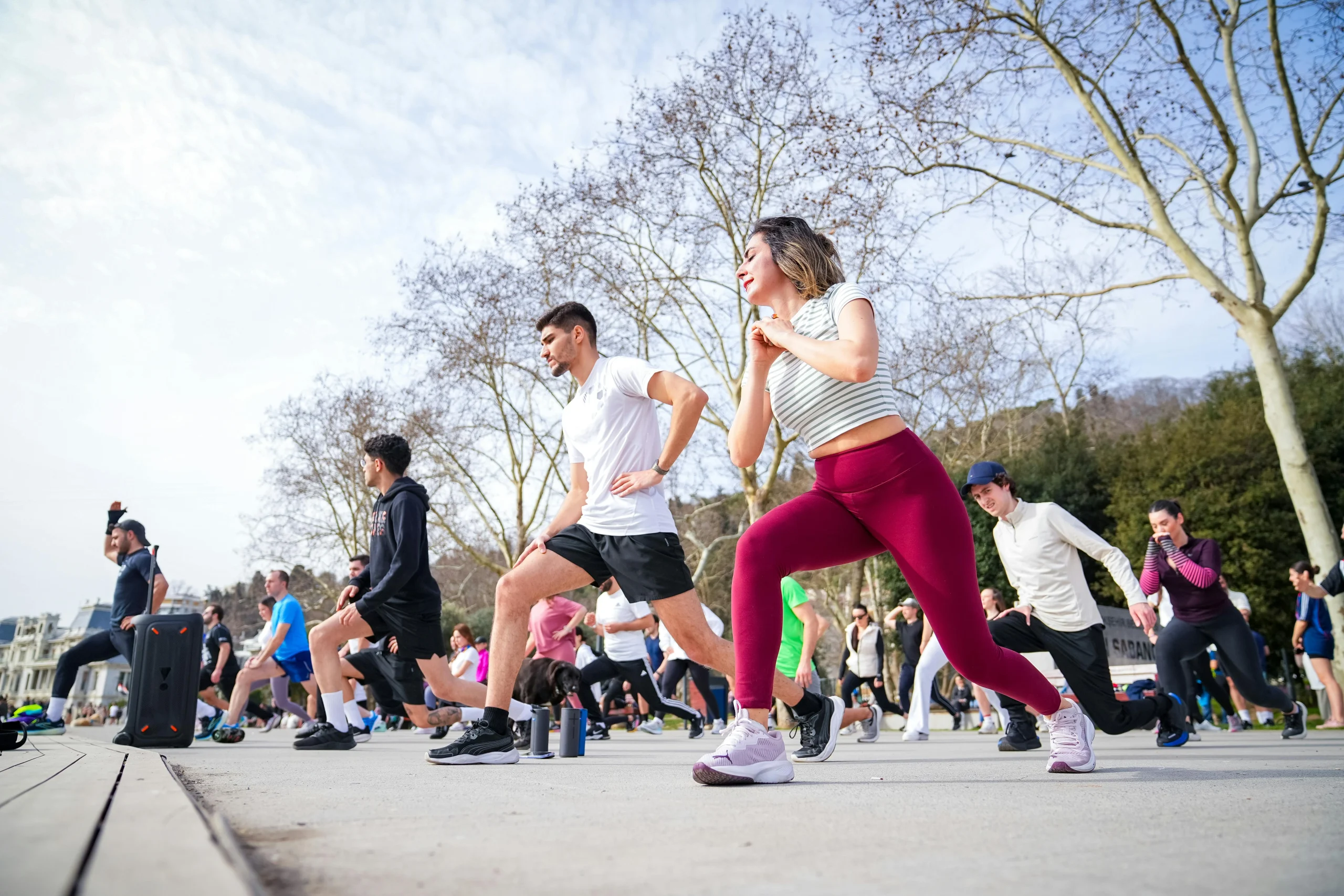
Exercise is widely known as one of the most effective ways to improve physical and mental health. But did you know that working out with your loved ones — whether it’s a partner, family member, or close friend — can amplify those benefits? Sharing fitness experiences not only helps you stay motivated but also strengthens emotional bonds, encourages healthy habits, and makes exercise far more enjoyable.
In this article, we’ll explore the many physical, emotional, and relational benefits of exercising with your loved ones, along with practical tips for getting started, creative workout ideas, and strategies to keep your fitness journey fun and sustainable.
Why Exercising with Loved Ones Works
Exercising with someone you care about can transform a regular workout into a more meaningful experience. Here’s why:
1. Boosts Motivation and Accountability
One of the biggest challenges of staying active is motivation. Exercising alone can feel repetitive or even daunting at times. When you work out with a partner or loved one, you create built-in accountability.
- You’re less likely to skip a workout if someone is counting on you.
- Friendly competition or shared goals can inspire you to push harder.
- Partners often cheer each other on, celebrating achievements and milestones.
This sense of commitment makes it easier for beginners and experienced exercisers alike to stick with a consistent routine.
2. Strengthens Emotional Bonds
Shared activities foster deeper emotional connections. Exercising together allows you to spend quality time in a healthy, productive way.
- Couples who work out together report higher relationship satisfaction.
- Families exercising together create stronger bonds and positive memories.
- Friends who sweat together often feel closer and more supportive.
Movement and activity trigger the release of endorphins — hormones that reduce stress and increase happiness — meaning that the more you exercise together, the happier and more connected you feel.
3. Improves Mental Health
Exercising with loved ones doesn’t just benefit your relationship; it’s also good for your mental health. Social interaction combined with physical activity helps:
- Reduce stress, anxiety, and depression.
- Increase feelings of happiness and self-worth.
- Encourage mindfulness and presence, as you focus on the activity and your partner rather than worries or distractions.
When workouts are social, they feel less like a chore and more like a fun, engaging experience — a major boost for long-term consistency.
Physical Benefits of Exercising Together
Working out with loved ones provides unique physical advantages in addition to traditional fitness gains:
1. Enhanced Performance Through Motivation
Having a partner during workouts can naturally push you to perform better. You may lift heavier weights, run a little faster, or hold a plank longer because you want to keep pace with or impress your loved one.
2. Increased Safety
Partner workouts often improve safety, especially for exercises like weightlifting or resistance training. A partner can spot you during lifts, correct your form, and help prevent injuries.
3. Shared Fitness Goals
Couples, friends, or families can set goals together, such as training for a 5K, improving flexibility, or completing a yoga challenge. Sharing progress and celebrating achievements together reinforces commitment and keeps you both on track.
4. Encourages Healthy Lifestyle Habits
Exercising together often encourages broader lifestyle changes, such as eating healthier meals, improving sleep schedules, and reducing sedentary behavior. Partners influence each other, and seeing someone close make healthy choices can motivate you to do the same.
Emotional and Relational Benefits
The emotional impact of exercising with loved ones is significant. Here’s how it strengthens relationships:
1. Builds Trust and Communication
Partner workouts require coordination, cooperation, and sometimes gentle guidance. Exercises like partner yoga, resistance training, or tandem running encourage better communication and mutual trust, skills that often extend beyond fitness.
2. Reduces Stress and Anxiety
Shared workouts provide a safe space to release stress together. Whether it’s jogging, cycling, or doing bodyweight exercises in the park, the combination of physical activity and companionship reduces cortisol levels and promotes emotional wellbeing.
3. Creates Fun and Positive Experiences
Working out with someone you care about transforms fitness into a fun social activity rather than a solitary task. Laughing through a challenging exercise, celebrating milestones, and sharing new experiences helps strengthen bonds and keeps workouts enjoyable.
4. Promotes Long-Term Connection
Couples and families who adopt a routine of exercising together tend to develop long-term habits that support both fitness and relationship health. It becomes more than a workout — it becomes shared quality time and a foundation for lasting memories.
Tips for Exercising with Loved Ones
To make workouts with loved ones effective and enjoyable, consider the following tips:
1. Choose Activities You Both Enjoy
Not everyone enjoys the same type of exercise. Discuss preferences and try activities that interest both participants. Examples:
- Walking or jogging in a park
- Outdoor cycling or hiking
- Partner yoga or stretching sessions
- Resistance or bodyweight exercises at home
2. Set Realistic Goals Together
Agree on achievable goals that suit both fitness levels. Starting small — like walking 15–20 minutes a day or doing 3 short sessions a week — helps prevent burnout and keeps workouts fun.
3. Be Flexible and Supportive
Remember, everyone has different energy levels and abilities. Encourage each other without judgment, and be ready to adjust exercises to accommodate differences in stamina or strength.
4. Mix Up Your Routine
Variety prevents boredom. Combine cardio, strength training, flexibility exercises, and outdoor activities to keep things exciting. Try:
- Weekend hikes or nature walks
- Circuit workouts in the backyard
- Dance classes or online workout challenges together
5. Make It Social
Invite friends or extended family to join occasionally. Group workouts can be motivating, fun, and offer additional accountability.
6. Track Progress Together
Use fitness apps or journals to log workouts, track milestones, and celebrate progress. This keeps both partners motivated and creates a sense of accomplishment.
Creative Workout Ideas for Couples and Families
Here are some beginner-friendly workouts to try with loved ones:
1. Partner Bodyweight Circuit
- 10 squats (face each other and hold hands for balance)
- 10 push-ups (perform simultaneously)
- 20 jumping jacks
- 30-second plank (next to each other)
- Walk/jog 2–3 minutes to cool down
Repeat 2–3 times depending on fitness levels.
2. Outdoor Adventure Day
- Go hiking on a local trail
- Try cycling together on scenic routes
- Swim at a nearby lake or beach
Combining fitness with adventure strengthens bonds and makes exercise feel like an exciting activity rather than a chore.
3. Partner Yoga
- Tree pose while holding hands for balance
- Seated twist while facing each other
- Double downward dog, supporting each other’s hips
Yoga builds flexibility, core strength, and emotional connection.
4. Fitness Challenges
Set challenges for fun, like:
- Who can do the most squats in a minute?
- Timed sprints or relay races
- Plank-holding competitions
Friendly competition keeps motivation high while making workouts enjoyable.
5. Family Workout Sessions
- Simple home circuits with squats, lunges, and jumping jacks
- Dance sessions in the living room
- Backyard obstacle courses for kids and adults
Family workouts teach children healthy habits while creating fun memories.
Overcoming Common Challenges
Even with the benefits, exercising with loved ones can present challenges:
- Different Fitness Levels: Start slow, modify exercises, and celebrate small achievements.
- Time Conflicts: Schedule short, consistent sessions that fit both schedules.
- Motivation Differences: Encourage each other without judgment; use positive reinforcement.
The key is communication, flexibility, and prioritizing enjoyment over perfection.
Conclusion: Stronger Bodies, Stronger Bonds
Exercising with your loved ones offers a unique blend of physical, emotional, and relational benefits. From increased motivation and improved mental health to stronger connections and shared happiness, the advantages go far beyond what you get from solo workouts.
Whether it’s a simple morning walk with your partner, a family circuit in the backyard, or an adventurous weekend hike, shared exercise experiences can help you build healthier bodies and more fulfilling relationships.
So, put on your workout shoes, grab your loved one, and embrace the journey — because love and fitness truly are better together.



Leave a Comment